When to Take a Break From Running (And When You Can Push Through)
Not every ache means you're injured, but some warning signs shouldn't be ignored. Here's how to tell the difference between normal training soreness and signals that you need to take a break—so a two-day rest doesn't turn into a two-month injury.
Jason Schmitt
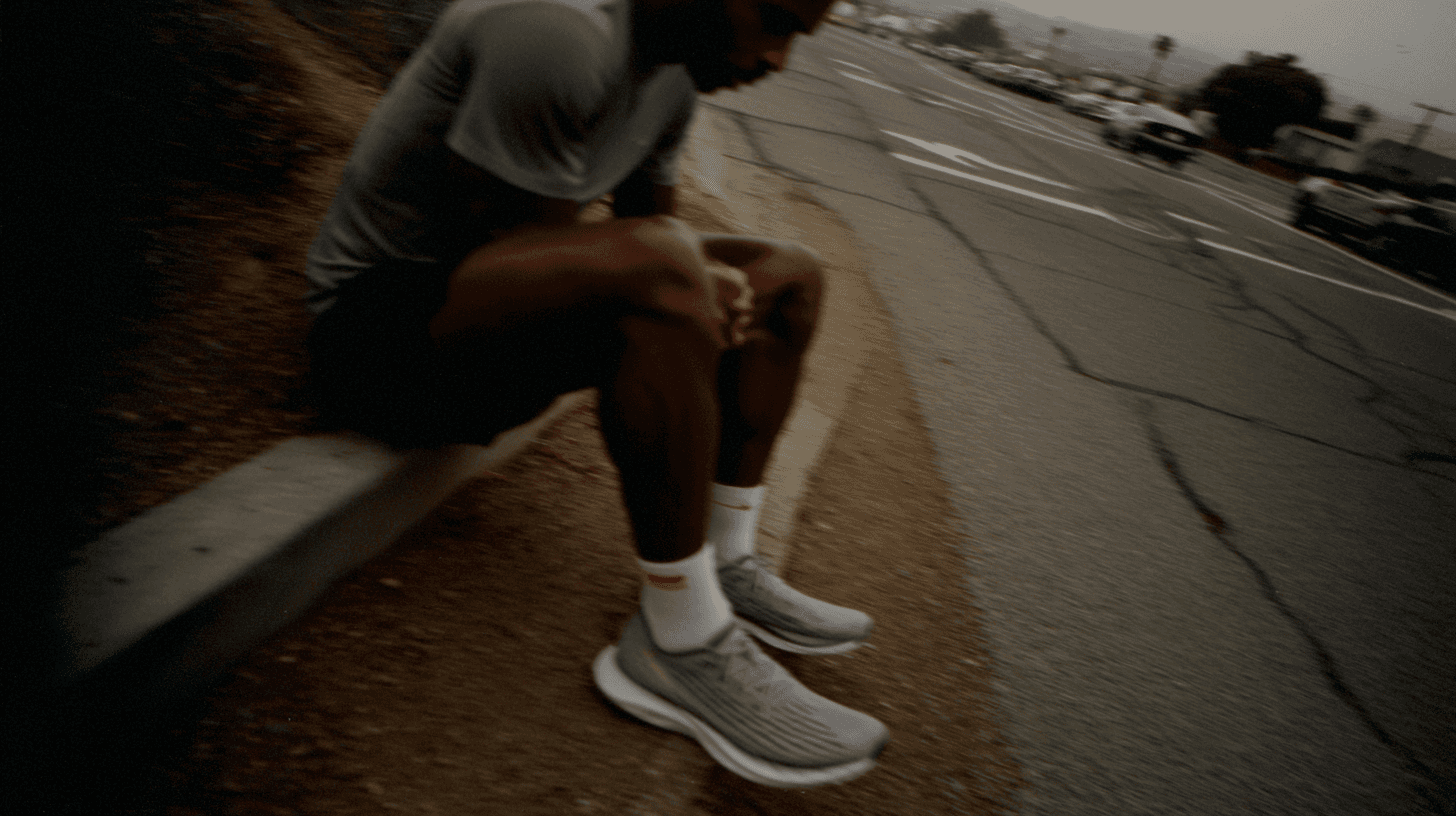
I get asked this question constantly. "My knee's been bothering me." "I've got this nagging pain in my hip." "I think I'll take a couple days off."
I'm all about pushing through, but here's the thing: Knowing when to rest is part of the discipline. Running through legitimate warning signs can cause more problems, and choosing to take a break isn't an indictment of your toughness.
So let's break this down. Here are the signs that tell you exactly what your body needs.
7 Signs You Need to Take a Break
A quick note: these are guidelines based on my own experience and research, not medical advice. If something feels off and you're not sure, the best thing you can do is consult a physical therapist. They can assess what's actually going on and save you a lot of guesswork.
1. Sharp, Stabbing, or Shooting Pain
This is the big one. Dull achiness after a hard workout? Normal. Sharp pain that feels like a stabbing or shooting sensation? That's your body screaming at you to stop.
Sharp pain often indicates something structural. A muscle tear. A stress fracture. Something that will absolutely get worse if you keep running on it.
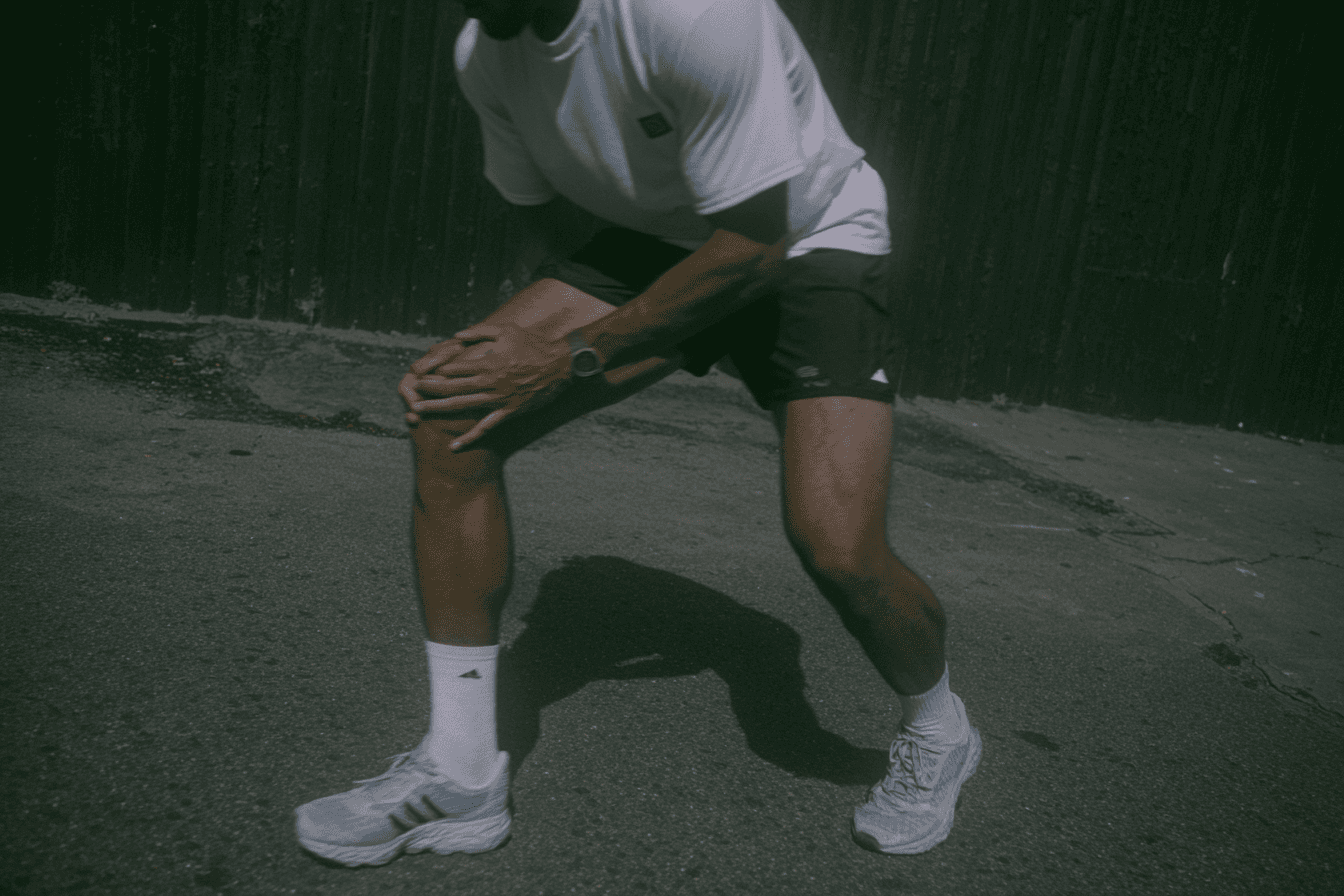
2. Pain That Changes Your Form
Pay attention to how you're moving. If you're limping, shortening your stride on one side, or compensating in any way to avoid pain, stop the run.
Running with altered mechanics creates a cascade of problems. You start loading tissues that aren't meant to handle the stress. What started as a minor issue can become multiple issues.
3. Pain That Gets Worse as You Run
Normal training soreness tends to improve as you warm up. Your legs feel stiff for the first mile, then things loosen up and you're good.
Injury is the opposite. You start okay, then it progressively gets worse. Or it stays the same intensity throughout. If you're finishing runs in more pain than you started, that's a red flag.
4. One-Sided or Localized Pain
DOMS from a hard workout typically affects both legs pretty equally. Your quads are sore. Your calves are tight. It's diffuse.
Injury pain tends to be localized. It's your right Achilles. Your left knee. One specific spot that you can point to with your finger.
Asymmetrical pain is your body telling you something specific is wrong.
5. Pain in Joints, Tendons, or Bones
Muscle soreness is expected. Joint pain is not.
If the discomfort is in your knee, hip, ankle, or if it feels like it's coming from your bones or tendons rather than muscles, take it seriously. These tissues heal slower and tolerate abuse less than muscles do.

6. Pain That Affects Daily Activities
Running soreness shouldn't make walking difficult. If you're struggling to go down stairs, having trouble getting out of a chair, or feeling pain during normal daily movements, rest.
Pain that interferes with your life outside of running isn't normal post-workout fatigue.
7. Swelling, Bruising, or Redness
These are visible signs of tissue damage. Normal soreness doesn't come with swelling or discoloration.
If you see any of these, your body is actively trying to heal something. Don't make its job harder by running.
5 Signs You Can Power Through
Not every ache means disaster. Here's when you can probably lace up and get after it.
1. Symmetrical Muscle Soreness
Both quads sore? Both calves tight? That's your body adapting to training load. It's uncomfortable but it's not dangerous.
This kind of soreness typically improves with light movement. An easy run might actually help it resolve faster than sitting on the couch.
2. Soreness That Improves as You Warm Up
Start your run feeling stiff, finish feeling better. That's the pattern you want to see.
If the first mile is rough but things smooth out, you're dealing with normal training fatigue, not injury.
3. Dull, General Achiness
There's a big difference between a sharp, localized pain and general tiredness in your legs. The dull ache that comes 24-48 hours after a hard effort is your muscles rebuilding.
4. Soreness at a 1-3 on a 10-Point Scale
Rate your discomfort honestly. If it's a 1, 2, or maybe a soft 3, you're probably fine to run.
Anything above that starts venturing into pain territory. Be honest with yourself here.
5. Fatigue That Resolves Within 48 Hours
Your body should bounce back. If you're tired the day after a hard workout but feel recovered 48 hours later, your recovery is keeping pace with your training.
The Real Test
Here's a simple protocol I use when something feels off.
First, check if the pain changes your mechanics. Stand up. Walk around. Do a bodyweight squat on each leg. Hop lightly on each foot.
If any of these movements cause concerning pain or feel noticeably different between sides, rest.
If you pass those tests, start an easy run. Pay attention to what happens.
Pain improves as you warm up? Probably okay to continue.
Pain stays the same or gets worse? Shut it down.
Pain causes you to change how you're running? Stop immediately.
The 3-Run Rule
If pain shows up on one run, note it but don't panic. Could be a fluke.
If it shows up on a second run, pay closer attention. Modify the workout if needed.
If it's there for a third consecutive run, something's wrong. Take real time off and consider seeing a professional.
Consistent pain across multiple runs isn't going to magically resolve itself.
A Word on Rest
I know what you're thinking. Taking time off feels like losing fitness. It feels like giving up.
Here's the reality: a few days of rest costs you almost nothing in terms of fitness. A few months recovering from an injury you ran through costs you everything.
The adaptation from training happens during recovery, not during the workout itself. Your muscles rebuild while you rest. Your cardiovascular system strengthens between sessions.
Rest isn't the opposite of training. It's part of training.
