Trust the Work: A Marathon Race Week Guide
A day-by-day guide to marathon race week, from 7 days out through race morning. Covers tapering, carb loading, hydration, sleep, and mindset.
Jason Schmitt

So You're One Week Out From Your Marathon…
Every long run, every tempo, every 5 a.m. alarm, every skipped happy hour… it's all behind you now. The hay is in the barn. And whether this is a first marathon or a tenth attempt at a big PR, the runner who shows up rested, fueled, calm, and clear-headed is the one who gets to race the way they've trained.
Race week isn't about building fitness. That part is finished, and it's worth taking a second to appreciate what's already been done. A marathon is hard. Training for one is harder. Most people never put themselves in this position, and now the hardest work is behind.
So what does race week look like? It's about delivery. Protecting the fitness, dialing in the details, and arriving at the start line ready to run the race the training has earned. Here's how to make that happen.
The Core Principle: Trust the Work
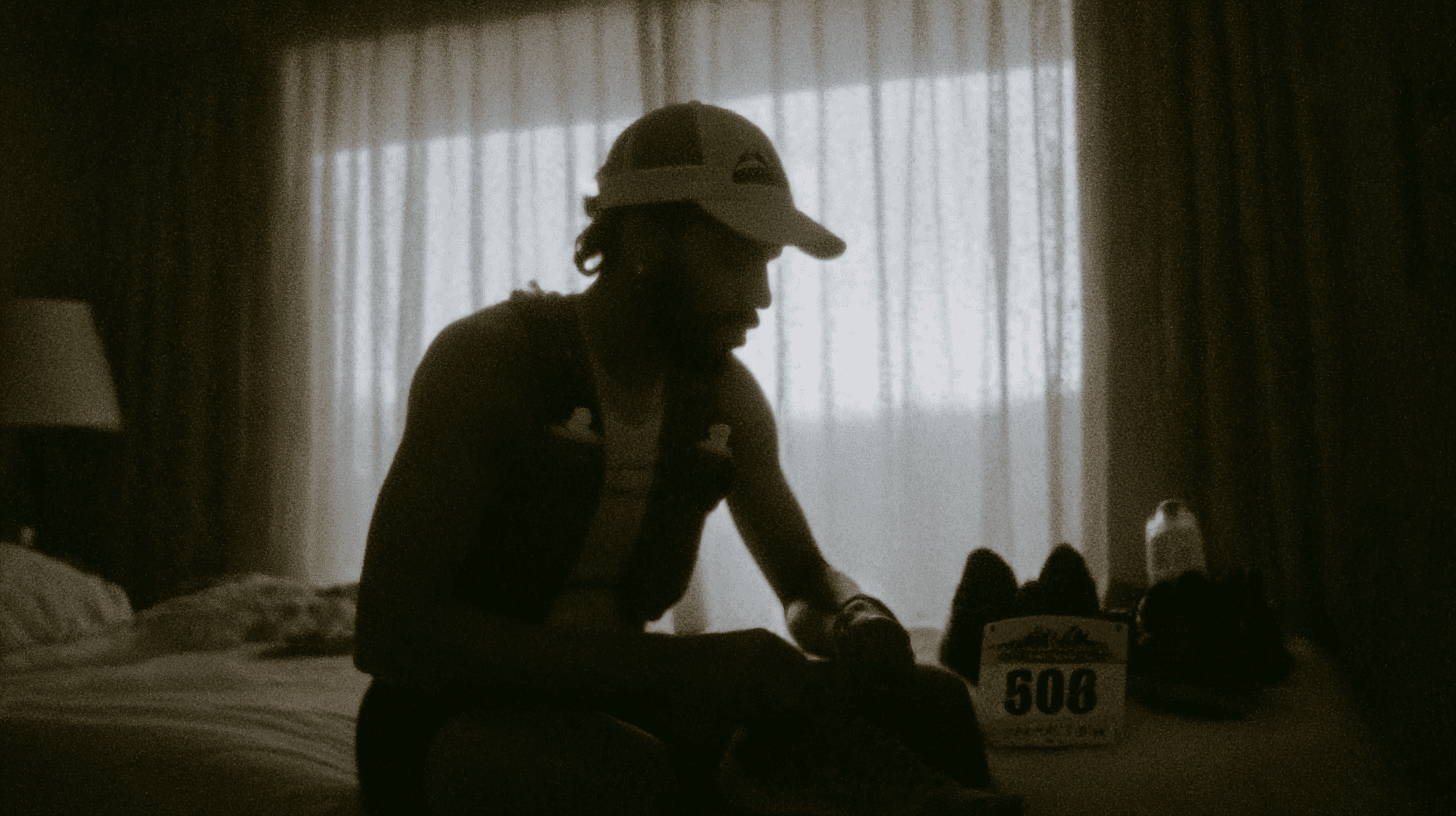
Nothing done in the final seven days will add fitness. But plenty can be done to protect it (or waste it).
The two biggest race-week traps are overtraining and under-resting. Runners who feel sluggish mid-taper sometimes panic and try to squeeze in a "confidence booster" workout that ends up creating fatigue. Others swing the opposite direction, sit on the couch for a week, show up feeling flat, and wonder why their legs feel heavy at mile six.
The research backs a middle path. A landmark 2007 meta-analysis by Bosquet et al., synthesizing 27 years of taper research, found that the optimal approach cuts training volume by 41-60% while maintaining training intensity and frequency. In other words: run less, but keep it sharp. That same pattern holds for the final week—less volume, but not a complete shutdown.
The goal of race week is simple: arrive at the start line healthy, rested, fueled, and mentally locked in. The body already knows how to run 26.2 miles. The job now is to give it the conditions to do exactly that.
7 Days Out
This is the last day of real training, but the emphasis shifts from development to delivery.
Most plans call for a medium-length easy run, somewhere in the 8-10 mile range. Run it by feel. If the legs feel heavy, cut it shorter. If they feel great, don't get greedy, stick to the plan. Race week is not the time to prove anything.
Start thinking about logistics early. Pull up the race website and re-read the athlete guide. Where's packet pickup? What time does the expo close? Where's the start line? Where will family meet you afterward? Sorting these details out now means no last-minute scrambling midweek.
Sleep starts to matter more today. Research from Mass General Brigham and sleep scientists working with elite athletes consistently emphasizes that the nights that matter most for race-day performance aren't race eve—they're the two or three nights before that. Start banking hours now.
6 Days Out
Easy run or rest. If running, keep it short. 30 to 45 minutes at full conversational pace. No strides, no pickups, nothing that spikes the heart rate.
This is a good day to audit gear. Lay out everything planned for race day: shoes, socks, shorts, singlet, hat, watch, fuel belt or vest, sunglasses, anti-chafe balm. Anything new or untested? Replace it with something familiar. Race day rewards what's been rehearsed.
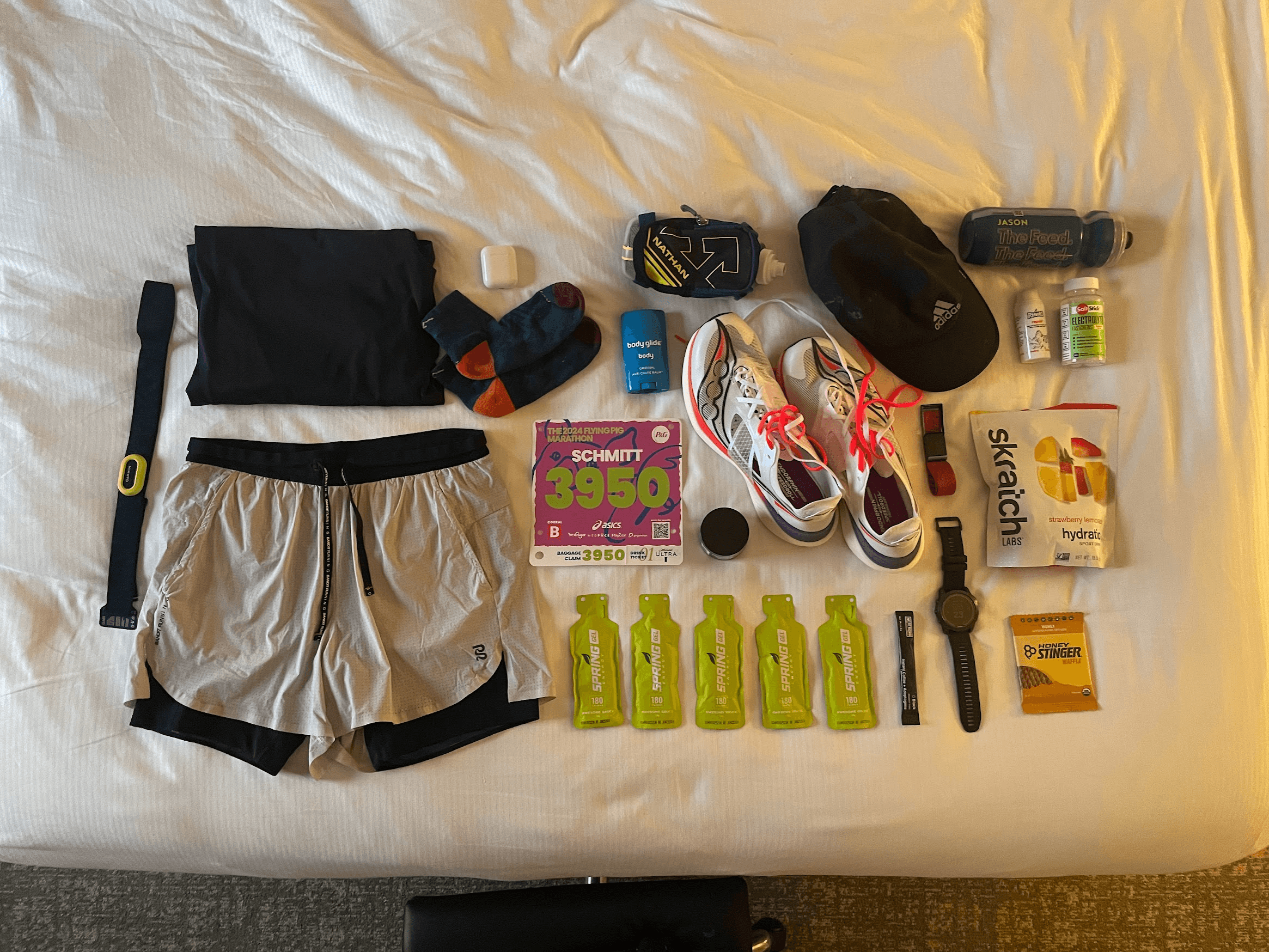
Pay particular attention to shoes. The general guidance from Nike's running coaches and most footwear experts is to replace running shoes every 300-500 miles, as the midsole cushioning loses resiliency and shock absorption starts to deteriorate. If the race-day pair is at the higher end of that range, or if a fresh pair has been saved "for the race," make sure those new shoes have at least 15-20 miles on them already. Brand-new shoes at mile one is a gamble that rarely pays off.
5 Days Out
Most plans schedule a short workout here, something like 3-4 miles easy with 4-6 strides, or 20 minutes easy with a few 1-minute pickups at goal marathon pace. The purpose isn't fitness. It's keeping the legs responsive and reminding the nervous system what faster feels like, without creating fatigue. Importantly, research on tapering consistently shows that maintaining some intensity while cutting volume produces better performance than eliminating hard running entirely.
Keep it short. Keep it crisp. It should feel easy. That's the point.
This is also a great day to start dialing in nutrition and hydration together.
On the food side, begin tilting meals slightly toward carbohydrates. Carb loading isn't about eating three plates of pasta starting today. It's a gradual shift in the ratio of carbs to fats and proteins over the final 48-72 hours. Starting the shift gently now sets things up for the more deliberate load later in the week.
On the hydration side, steady and consistent wins. Think sipping throughout the day rather than chugging large amounts at once. A reasonable baseline is around half the body weight in ounces of water daily—so a 160-pound runner is looking at roughly 80 ounces, more in warm weather or at altitude. Pale yellow urine is a good sign. Completely clear means electrolytes are getting flushed out along with the water.
Speaking of electrolytes: this is where most well-intentioned runners go wrong. Drinking gallons of plain water for a week doesn't hydrate better, it can actually lead to exercise-associated hyponatremia, a condition the New England Journal of Medicine documented in 13% of Boston Marathon runners studied, where excessive fluid intake dilutes blood sodium levels and can cause serious harm. Add electrolytes through food (salt, broth, bananas, yogurt) or a sports drink at least once a day. The body needs sodium, potassium, and magnesium to hold onto the fluids being taken in. The American College of Sports Medicine recommends 300-600 mg of sodium per hour during endurance events, but the electrolyte balance needs to start days before, not mid-race.
4 Days Out
Short easy run, 30-40 minutes, or rest if the plan calls for it.
This is often when the taper feels strangest. Little twinges show up in muscles that seemed fine a week ago. A knee feels off. A hamstring tightens for no apparent reason. Some runners become convinced they're getting sick.
This is normal, and it's worth saying out loud: almost none of it means anything. After months of training stress, the body is finally healing, and without the distraction of new workouts, every small sensation gets amplified. Phantom aches during taper are so common they're practically a rite of passage.
Genuine warning signs; sharp pain, something that worsens over hours, actual symptoms of illness are worth paying attention to. Everything else is taper noise. Keep moving forward.

3 Days Out
Easy 20-30 minutes with a few strides, or complete rest. Training is essentially done. Whatever running happens in these final days is about feeling good, not building fitness.
These next two nights are the sleep that matters most. Pre-race nerves often disrupt race-eve sleep, which is why banking rest now pays off more than trying to sleep extra the night before. A solid 7-9 hours tonight is worth more than most runners realize. Sleep extension research on athletes has shown measurable improvements in reaction time, endurance, and perceived exertion when athletes deliberately add sleep in the days before competition.
Carb loading moves into its real window today. The current consensus across sports nutrition research points to 8-10 grams of carbohydrates per kilogram of body weight per day during the final 48-72 hours, with elite athletes sometimes pushing toward 10-12 g/kg. For a 150-pound runner (about 68 kg), that works out to roughly 550-680 grams of carbs daily—rice, pasta, bread, potatoes, oatmeal, bananas, sports drinks, pretzels. The old school depletion-then-load protocol from the 1960s has been abandoned; modern research shows the same glycogen supercompensation happens with a simple high-carb load in 24-72 hours, without the misery of the depletion phase. Keep fat and fiber lower than usual during the load. The gut will appreciate it on race morning.
Hydration stays steady. No sudden increases. Keep sipping throughout the day, keep electrolytes in the mix, and keep the urine pale yellow.
2 Days Out
Rest or 20 minutes very easy. This is primarily a logistics day.
For out-of-town races, traveling today is much better than traveling tomorrow. Arriving the day before a marathon adds unnecessary stress; traffic, flight delays, unfamiliar hotels, unpredictable dinner options. An extra night in the race city makes everything smoother.
The expo is a pleasure, but it's a trap if you spend three hours there. Get the bib, take a quick look around, and head out. An hour is plenty. Long expo visits beat up the legs more than people realize, and everything on sale will still be on sale after the race.
Tonight is the night to lay out everything for race morning. Shoes, clothes, bib pinned to the singlet, watch charged, fuel counted out, safety pins, body glide, pre-race breakfast prepped. The more decisions made now, the fewer to make at 5 a.m.
Set two alarms. Not because waking up will be a problem—it won't—but because having a backup takes the worry off the table and makes it easier to fall asleep.
A hydration note for today: keep drinking normally. Don't start loading up on water "just in case." Consistent intake over the last 72 hours is what hydrates. Last-minute chugging just means more port-a-potty visits during the race and raises the hyponatremia risk mentioned earlier.
1 Day Out
A shakeout run or rest. If running, keep it under 20 minutes at full conversational pace. A lot of experienced runners do a short jog with 2-3 strides just to loosen up and confirm the legs still work. That alone can be a real confidence boost.
Eat the biggest meal at lunch, not dinner. This is a specific recommendation from sports nutritionists: Sanford Health's sports medicine team advises making the main pre-race meal lunch rather than dinner to ensure adequate digestion time. Going to bed comfortable—not stuffed—makes for better sleep and a happier stomach at 6 a.m. A normal-sized, carb-forward dinner that's been tested during training is the right move.
Avoid anything new. Not a new restaurant, not a new dish, not a new drink, not a new anything. Stick with familiar foods that have been part of pre-long-run routines.
Stay off the feet as much as possible. Walking the expo, sightseeing, exploring the race city—it all taxes the legs more than it feels like in the moment. If traveling, save the sightseeing for after the race. Today is for sitting, reading, watching a movie, and staying calm.
A few extra sips of water and a pinch more salt than usual at dinner helps top off hydration without overdoing it. An electrolyte drink in the afternoon is a nice addition.
Race-eve sleep is often poor. That's fine. Research on elite athletes has found that anxiety is the primary cause of disrupted pre-competition sleep, and—critically—that a single poor night has limited effect on performance when earlier sleep has been adequate. The rest banked earlier in the week is what the body will draw on, so a restless night tonight doesn't undo anything.

Race Morning
Wake up about three hours before the start. That gives enough time to eat, digest, use the bathroom (ideally more than once), and get to the start without rushing.
Eat what's been trained with. If long runs have been fueled by a bagel with peanut butter and a banana, that's breakfast. Race morning is not the time to experiment. The current sports nutrition guidance calls for 1-4 grams of carbohydrates per kilogram of body weight in the 1-4 hours before race start. For a 150-pound runner eating 3 hours out, that's roughly 100-200 grams of carbs—a bagel with peanut butter and a banana, oatmeal with banana and honey, or toast with jam all fit the profile.
Hydration in the morning is about topping off, not loading up. The Illinois Marathon's guidance, which aligns with ACSM recommendations, suggests 16-20 ounces of water or sports drink 2-3 hours before the start, and another 6-8 ounces about 15-20 minutes before the gun. Drinking any more than that just creates a mid-race bathroom problem.
Get to the start early. Earlier than feels necessary. Port-a-potty lines get long, corrals close earlier than expected, and nothing spikes pre-race stress like rushing through logistics in the last 30 minutes.
Warm up less than it seems like you should. A marathon is long enough that the first 2-3 miles are a warm-up. A few minutes of easy jogging and some dynamic movement is plenty. Save the legs for the 26.2 ahead.
The Mental Side: Discipline Over Motivation
Motivation got you to the start line. It got you through the 5 a.m. alarms and the 20-milers. But motivation isn't what gets anyone through mile 22. Discipline does.
Race week is when the mental discipline that will carry the race gets locked in. Three things matter most:
Trust the work. You don't need one more long run. You don't need one more tempo. Whatever fitness is there on race morning is the fitness you're going to race with, and it is enough. Stop auditing the training and start trusting it. The runner who toes the line believing in their preparation races a different race than the one who toes the line wishing they'd done more.
Rehearse the hard miles. Every marathon has a wall. For most runners, it shows up somewhere between mile 18 and 22—the legs start pushing back, the pace starts feeling harder, and the voice in your head gets louder. That moment is coming. Race week is the time to decide, in advance, how to meet it. What's the mantra when it gets hard? What's the plan at mile 20? Work it out now, calmly, when there's no fatigue clouding the decision. Having that plan ready makes the hardest miles a little less lonely.
Expect discomfort, and welcome it. The runners who struggle most are the ones expecting the race to feel good. Parts of it won't. That's the deal, and it's also part of why finishing a marathon means something. Going in expecting discomfort—and understanding that discomfort isn't the same as injury or a reason to quit—is one of the biggest mental advantages any runner can have.
There's also something worth remembering in the hardest moments: the fact that you're out there at all puts you in rare company. Most people never attempt what you're about to do. That's worth carrying with you when it gets hard.

A Few Things to Leave Behind
Race week goes better when a few things get cut out:
Scrolling race forums and Reddit threads. Everyone has an opinion, and the volume of anxiety-inducing noise online during race week is real. Step back from it.
Obsessing over the weather. You can't control it. Check it once a day, adjust the kit if needed, and move on.
Comparing your training to other runners'. Your plan is your plan. What someone else ran in their last 20-miler has nothing to do with your race.
Trying new recovery tools. No ice baths if they haven't been part of the routine. No massage guns on tired muscles two days out. No new compression socks. Stick with what's familiar.
The Bottom Line
Race week is an exercise in restraint. Do a little less than it feels like you should. Eat more carbs than feels natural. Drink steadily, with electrolytes. Sleep more than usual. Trust the training that's already in the bank.
Mile 20 is coming. It always comes. The work to get through it was done over the last 16-18 weeks. This week is about protecting that work and showing up ready—calm, confident, and prepared to run the race the training has earned.
You've already done the hard part. Now go enjoy the reward.
Sources & Further Reading
On tapering:
Bosquet et al. (2007). "Effects of tapering on performance: a meta-analysis." Medicine & Science in Sports & Exercise. PubMed link
Smyth & Lawlor (2021). "Longer Disciplined Tapers Improve Marathon Performance for Recreational Runners." Frontiers in Sports and Active Living. Full text
On carbohydrate loading:
Science in Sport: Carb Loading by Race Distance
Runners Connect: Pre-Race Marathon Nutrition
Tufts University: Should You Carbo Load Before a Marathon?
On hydration and electrolytes:
Almond et al. (2005). "Hyponatremia among Runners in the Boston Marathon." New England Journal of Medicine. Full text
Gatorade Sports Science Institute: Hyponatremia in Athletes
Illinois Marathon: The Runner's Guide to Hydration
On sleep and performance:
Mass General Brigham: How Does Sleep Affect Athletic Performance?
Sleep Foundation: How Sleep Affects Athletic Performance
On running shoe lifespan:
On pre-race nutrition timing:
Sanford Health: Marathon Week Nutrition Affects Performance
TrainingPeaks: A Complete Guide to Proper Marathon Nutrition
